Doula Beginnings = Making life easier!


What Is a Birth Doula? Everything You Need to Know
For most Doulas, there is a distinct moment when a spark is lit. It might have been during your own birth experience, or while sitting quietly by the side of a close friend in labour. You leave that room deeply changed, realising that how we bring babies into the world matters immensely and you can’t stop thinking about how you could support that space as a birth doula.
If you are wondering what is a birth doula and whether becoming one is the deeply meaningful career change you’ve been searching for, then you are in the right place.
Let’s look at exactly what the role involves, how it functions alongside medical teams, and what it takes to build a respected practice in Australia or New Zealand.
What is a birth doula?
The word ‘Doula’ comes from an ancient Greek term meaning ‘woman who serves’. Today, that tradition of service translates into non-medical care for families navigating the profound transition of birth.
As Carolyn Tranter, founder of Doula Beginnings and the only DONA International approved doula trainer living in Australia and training throughout New Zealand and Oceania, describes it: doulas provide unwavering support and service to birthing people and their families.
A birth doula is a trained professional who offers emotional, physical, and informational support throughout pregnancy, labour, and early postpartum. Their entire focus is the family’s experience ensuring comfort, offering reassurance, aiding communication, and making sure every person in the room feels safe and respected.
The clear boundary between a doula, midwife, and obstetrician
Carolyn explains the distinction simply: ‘midwives focus on the medical safety of birth, while doulas focus on the overall experience and comfort.’ A midwife is a registered health professional responsible for clinical care and is registered with the Australian Health Practitioner Regulation Agency (AHPRA). Similarly, an obstetrician is a specialist physician who manages complex or high-risk pregnancies.
A birth doula does neither. They perform no clinical tasks, take no fetal heart rates, and make no medical decisions. Instead, they provide something the busy clinical team rarely has the hours for. That is a single, knowledgeable person who is entirely present for the uninterrupted duration of the labour.
Because of this non-clinical focus, you don’t need a medical background to train as a birth doula. In fact, many of Carolyn’s most confident and successful graduates come from completely unrelated industries. That lack of clinical preconception isn’t a gap it is often a profound strength.
Want to see if this path fits your life? Schedule a casual call with Carolyn →
What Does a Birth Doula Actually Do?
A doula’s support begins months before labour. During pregnancy, they meet with the family to build a relationship, talk through birth preferences, and ensure they feel prepared, calm, and truly ready for what’s ahead. When labour begins, the doula arrives and stays by their side for the duration.
Physical comfort measures during labour
Comfort techniques draw on a specific set of physical, non-medical skills. These include rhythmic massage, counter-pressure to ease intense contractions, warm compresses, breathing guidance and strategic positioning changes to help the baby descend. These hands-on techniques are taught directly through Carolyn’s 4-day DONA approved workshop and practiced in real-time, not just learnt from a workbook.
Emotional and partner support
This is the true heart of the role. A doula holds the room steady, remaining calm when the surrounding environment feels overwhelming. Crucially, doulas do not replace the birth partner. Instead, they support the partner, guiding them on how to help effectively so they can share the experience without carrying the burden of anxiety.
Advocacy and birth preferences
When things move quickly in a labour ward, families can easily feel lost. A doula stays right alongside them gently translating medical jargon, explaining choices and ensuring the birthing person’s original preferences don’t get lost in the noise. By working collaboratively with doctors and midwives, a doula helps ensure the family feels seen and respected.
My doula was my anchor. When I felt scared or overwhelmed, she reminded me I was strong, breathing with me and helping me focus on each moment.
A Doula Beginnings client, cited by Carolyn Tranter
What does the clinical research say?
The data supporting continuous doula care is compelling. A landmark Cochrane Review analysed 27 randomised controlled trials involving nearly 16,000 women across 17 countries. It remains the gold standard for medical evidence on childbirth support.
🔬 Cochrane Review Key Findings — Continuous Labour Support (2017)
Women with continuous doula-style support were significantly more likely to experience:
- Spontaneous vaginal birth
- Shorter duration of labour
- Reduced need for pain medication or epidurals
- Fewer caesarean births
- More positive overall birth experiences
Safety: No adverse outcomes or risks were identified.
Source: Bohren et al., Cochrane Database of Systematic Reviews, 2017, Issue 7.
How Much Does a Birth Doula Cost?
Birth doula packages in Australia typically range from $1,500 to $4,000 depending on the practitioner’s location, experience level, and package inclusions. A standard professional package generally covers three to four comprehensive antenatal visits, on-call continuous labour support, and 3 to 4 dedicated postnatal follow-up visits.
For those looking at this as a sustainable business, serving even a single birth client as a new graduate can cover a significant portion of your initial training investment. Most doulas establish a steady, reliable practice within their first year as word-of-mouth referrals build quickly when families feel deeply supported.
Is the Doula Industry Regulated in Australia and New Zealand?
This is an essential point to understand if you are considering this path seriously.
The short answer is no. In both Australia and New Zealand, the doula profession is currently unregulated. Unlike midwives, who (in Australia) must hold legal registration with AHPRA, there is no governing law determining who can call themselves a doula or support a birthing family.
Because anyone can work as a doula regardless of their training level, the quality of the training you choose matters immensely. Your certification is what separates a trusted professional who is respected by hospital staff from someone who completed a course that may not be supported or backed by a recognised body.
Certificate IV vs. DONA International: Understanding the difference
Two primary training pathways with recognised qualifications in Australia are:
- Certificate IV in Doula Support Services (11123NAT): This is a nationally recognised vocational training qualification within the Australian VET system. While it is a legitimate domestic qualification, it does not carry international recognition, lacks a global professional standards framework specific to doula care, and does not mandate continuing professional development.
- DONA International Certification: Established in 1992, DONA is universally recognised as the global gold standard for doula education. DONA certified doulas operate under a strict, internationally respected Code of Ethics and Standards of Practice.
Carolyn Tranter is the sole authorised DONA International approved trainer living in Australia and training throughout New Zealand and Oceania. Graduating with Doula Beginnings means holding a world-class credential that carries respect wherever your career takes you.
What’s Included in Doula Beginnings DONA Training
| Component | What’s Included |
|---|---|
| Intensive Education | 4-day intensive DONA approved workshop (available in-person across AU/NZ or via live online classrooms) |
| Professional Mentorship | A full 12 months Doula Beginnings membership including mentorship with Carolyn featuring weekly check-in calls, monthly Masterclass sessions and active birth support guidance |
| All-Inclusive Fees | DONA student certification fees and your first year of DONA International membership included at no extra charge |
| Community | Direct access to a private graduate and student network of like minded Doulas |
| Business Foundations | Client business templates and professional resources |
| Pre-Requisites | No prior healthcare, medical, or birth experience required to enrol |
Is Becoming a Birth and/or Postpartum Doula Right for You?
If you find yourself nodding along to these points, you are likely ready to take the next step:
- You have witnessed or experienced a birth firsthand and saw clearly how the presence of continuous, grounded support changes everything.
- You feel a deep, quiet pull to support women and families as they step into parenthood.
- You want a flexible, highly rewarding career that builds neatly around your own family lifestyle.
- You aren’t intimidated by intense emotional spaces; you feel drawn to anchor them.
- You want a world-recognised certification supported by a strong code of ethics and standards.
Take Your First Step Comfortably Schedule a discovery call with Carolyn →
Frequently Asked Questions
Can anyone become a birth doula in Australia?
Yes. Because the industry is currently unregulated, there are no prerequisites required to work as a birth doula. Because training standards vary drastically across providers, your choice of credential is the single most important factor in establishing professional credibility with clients and hospitals.
Do I need prior experience to begin training?
Not at all. The Doula Beginnings curriculum is designed to support complete beginners. The path takes you step-by-step from zero background through a comprehensive 4-day intensive workshop, backed by a full year of ongoing support and membership.
What is the difference between DONA certification and a Cert IV?
While both are reputable, they serve different career goals. The Certificate IV (11123NAT) is a domestic vocational qualification registered within Australia. DONA International certification, delivered exclusively in Oceania via Doula Beginnings, is recognised globally. DONA focuses heavily on specialised doula scopes of practice, international portability, and ongoing professional development, making it the premier choice for a portable career.
How long does it take to become fully certified?
Your career starts quickly. After finishing the initial 4-day intensive workshop, you enter a 12-month mentorship program. Most students begin attending client births within weeks of completing their initial workshop, completing their full global certification requirements within 12 to 18 months.
What are the real earning capacities for local doulas?
Standard birth support packages generally command between $1,500 and $4,000 per client, heavily dependent on your location and experience. Offering additional postpartum support services adds a steady stream of revenue at $60 to $140 per hour, allowing many practitioners to completely recover their education investment during their first year of active practice.
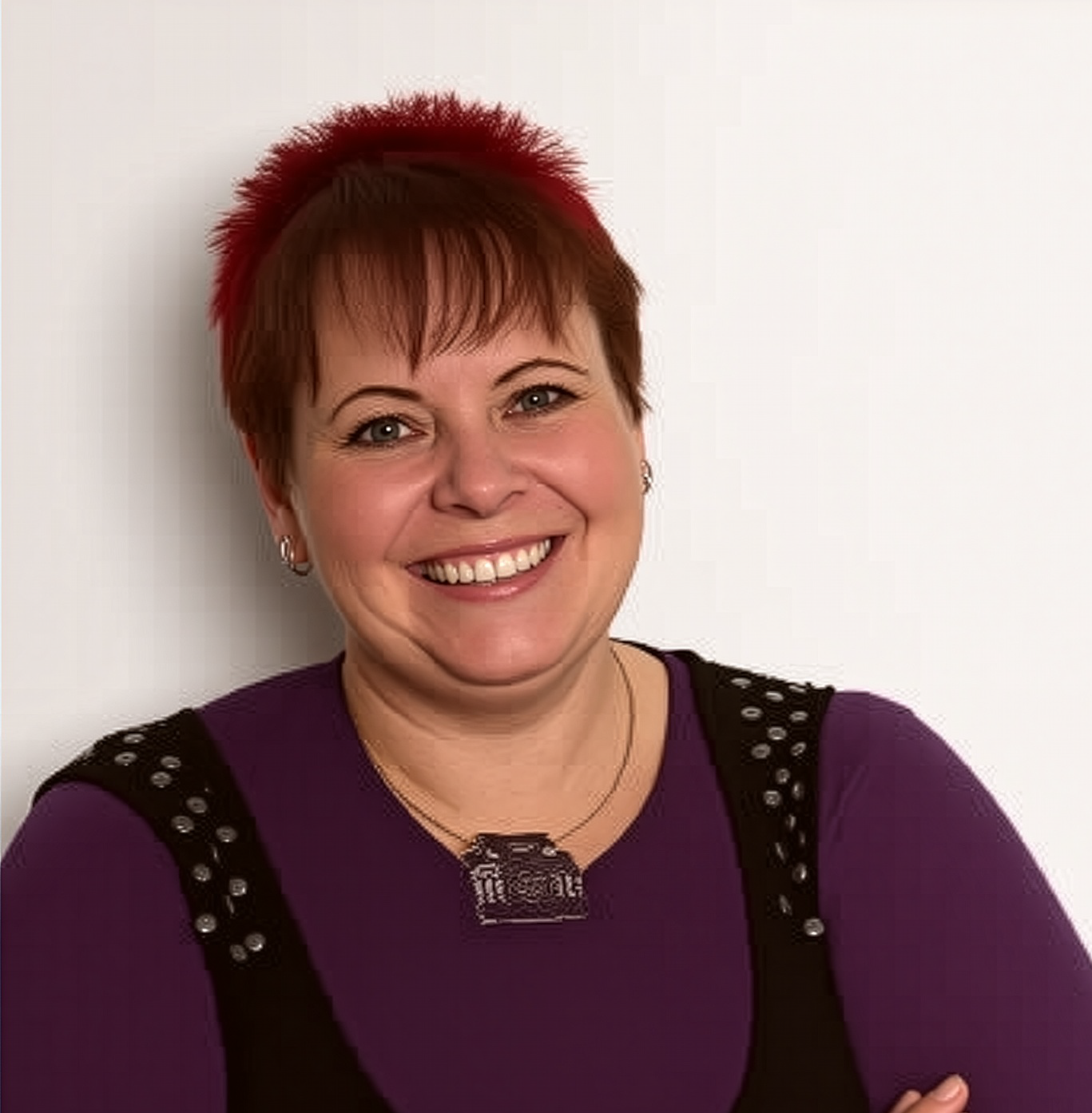
Carolyn Tranter is a DONA International approved Doula trainer and the only person in Australia, New Zealand and Oceania authorised to deliver DONA Doula certification. A mother of four and grandmother of fourteen, Carolyn has over 35 years of experience in the birth and postpartum space.
She was the first certified Doula in New Zealand and has served as DONA International Director of Global Development. With all that experience Carolyn understands the importance of quality training, ongoing support and mentoring and the value of Doula community for those wanting to train and work as a Doula.
Carolyn founded Doula Beginnings so that no Doula she trains ever has to figure it out alone.
How to Become a Birth Doula in Australia and New Zealand: The Complete Guide to DONA Certification in 2026
Something shifts when a person decides to become a birth...